Andreas Schindler on NYSE Live: AI That Does the Audit Work
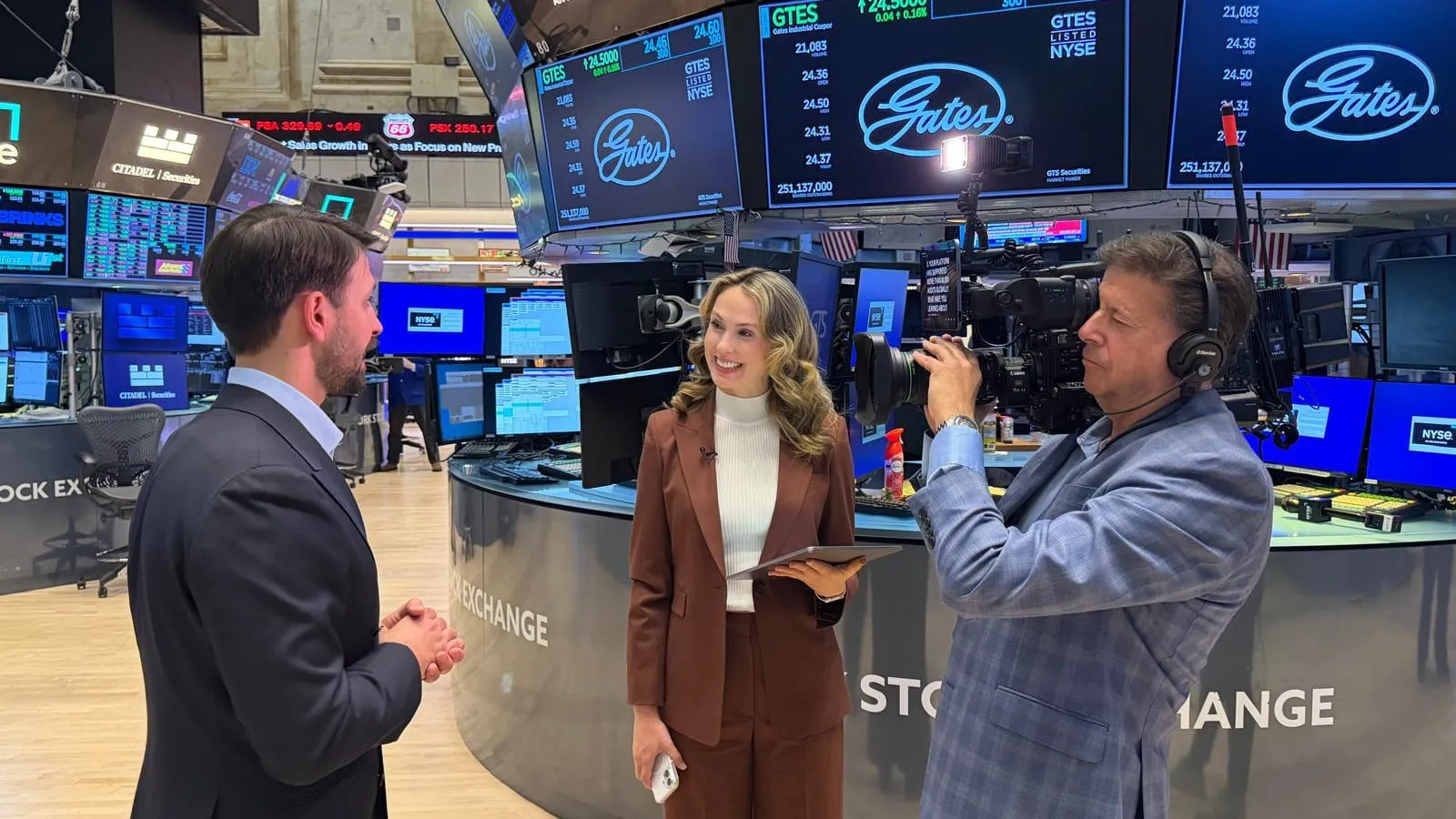
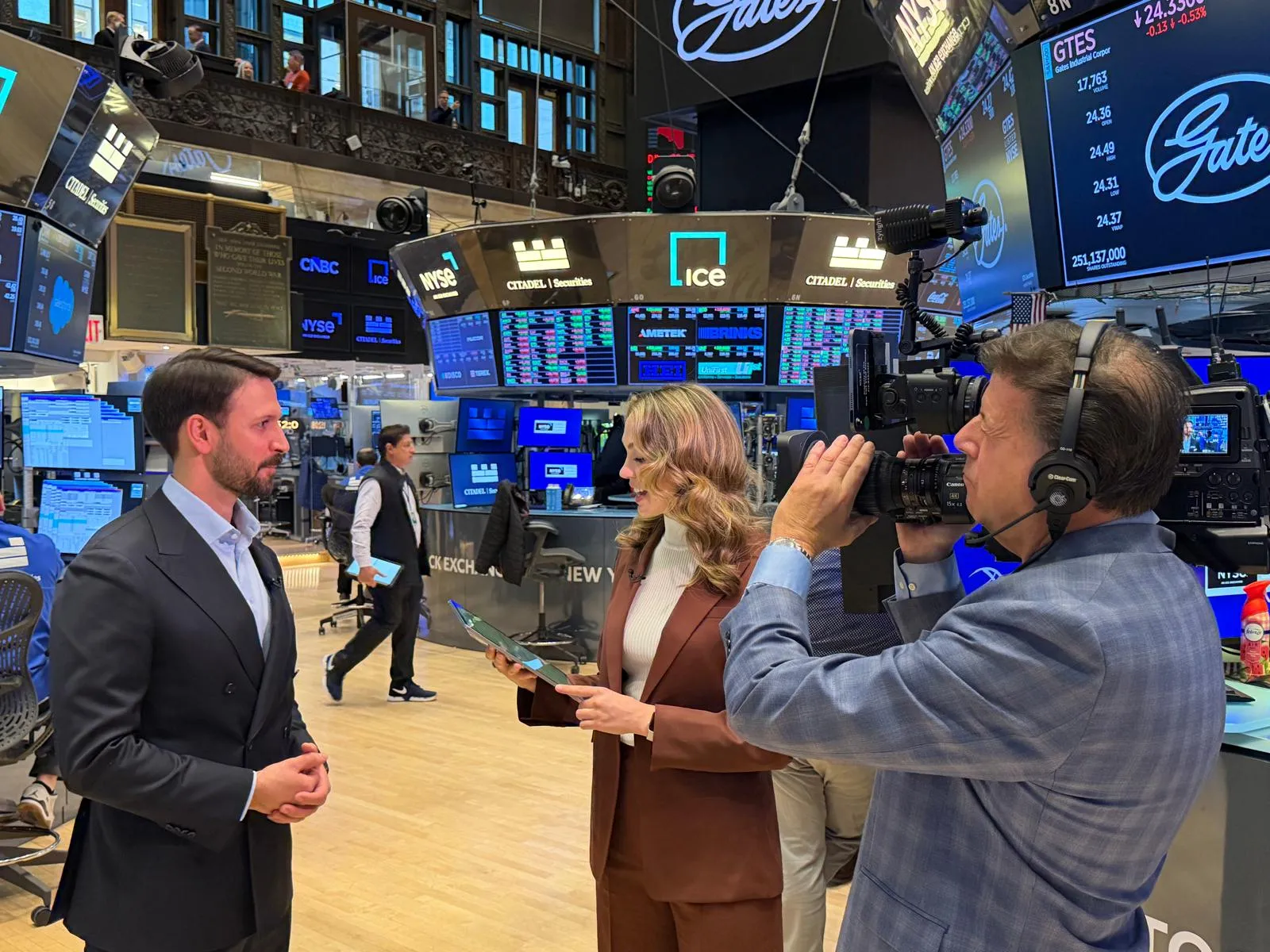
In the week we launched in the U.S., our co-founder and CEO Andreas Schindler stood on the floor of the New York Stock Exchange, the world’s largest stock exchange by market value. Kristen Scholer, who hosts the exchange’s NYSE Live interview program, put to him the question every audit firm is weighing: how much of an audit can AI actually do? His answer: AI agents can take over the checking, ticking and recalculating that take up most of an auditor’s hours, but the judgment behind the sign-off stays with the auditor.
Watch the full interview below, released on the NYSE’s YouTube channel on 18 November 2026.
What does “from tooling to doing” mean for auditors?
Scholer opened with our adoption figures: 15,000 auditors at 140 firms worldwide. Asked what sets our platform apart, Schindler separated software that makes an auditor faster from software that does the work.
“Most of the market has produced software that works as tools, and we move from tooling to doing. Our agents actually do the work for our auditors and hand over the results to them to review.”
He described an audit as still “many, many hours of checking, ticking check boxes, recalculating values.” In our model the agents carry out those steps and hand the auditor a prepared result to review and sign. Nothing is finalized without the auditor.
How can software automate 90% of an audit?
Scholer put our headline figure to him: the software can automate 90% of an audit. Schindler pointed to the disclosure checklist we launched in the U.S. that week. ai/checklist answers the checklist questions for the user, so the audit team starts from a prepared checklist instead of a blank one and spends its hours on judgment. The U.S. GAAP version and the audits it covers are described on the U.S. GAAP Disclosure Checklist page.
How do auditors review what the AI produces?
Scholer asked how people interact with the final product once AI does more of the audit. Schindler’s answer was that the interface matters as much as the model.
“Automation without user interaction is often useless. Every audit has one crucial part that can’t be automated, and that is the judgment which leads to the sign-off. That is something we can’t delegate to a machine.”
That is why we build a review interface next to the AI. In our application, every result is connected to its source, so the reviewer checks an answer against the passage it rests on instead of taking it on trust.
What should regulators require of AI in audit?
Schindler said regulators in central Europe and the UK have chosen to give guidance rather than hard regulation, “which is something the firms need right now.” We set out the UK position in What the FRC’s AI guidance requires.
In August, we filed a comment letter with the PCAOB built on three checks for any use of AI in an audit:
“First, everything needs to be linked to a source. Second, a reviewer needs to be able to reproduce the results. And third, everything needs to be signed off by a human.”
Our platform is built on those three, he said, so a human takes responsibility for the result in the end.
What comes next for dnl?
We are building a platform that covers the whole audit, and the U.S. is the next market we are entering. For U.S. firms weighing agents, the third check is the one to test first: when the agent has done the work, the question is whether the reviewer can see enough to sign it.